What students experience

Real, five ways.

Everything in this club is real — the technology, the community, the responsibility, the leadership, and the view of the world it opens up.

Real technology

Hands-on, from day one.

Students explore robotics, electronics, coding, engineering thinking, and practical problem-solving through hands-on learning. Donated computers get rebuilt at the refurbishing benches — the club is a Microsoft Registered Refurbisher — and robots get built from first circuit to competition. This year, Georgia Tech students teach robotics and Drexel University students mentor refurbishing CONFIRM.
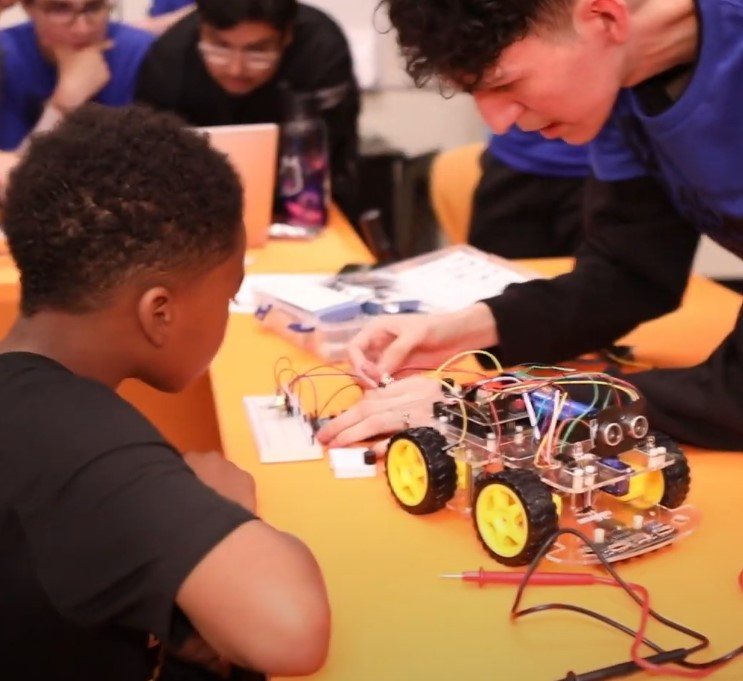
A YTC member guides a younger student through a robot build
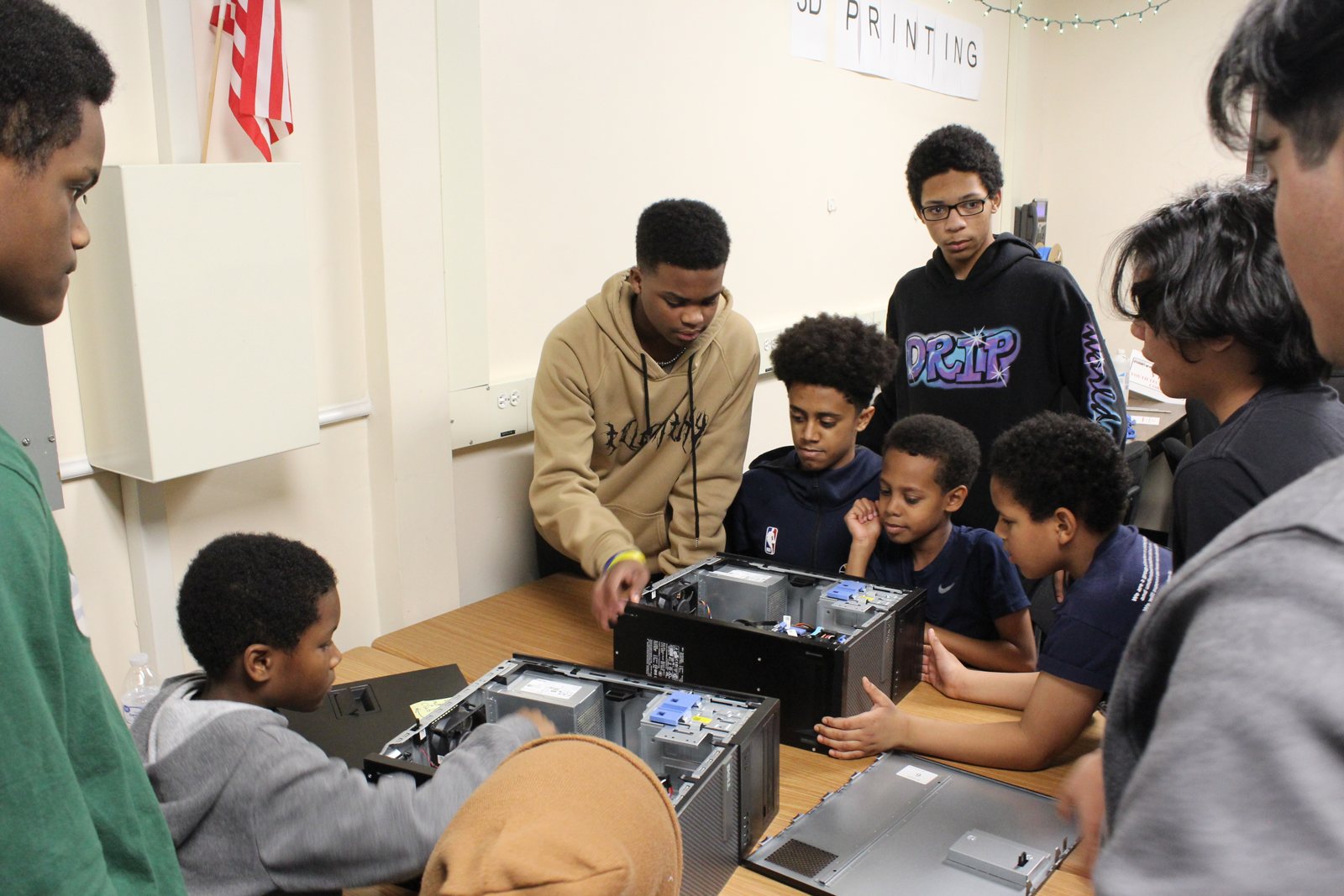
A YTC session mid-meeting — students working together around open machines
Real community

A place to belong.

YTC is where students build relationships, find belonging, and work together toward a common goal. The clubroom is open most days after school; the friendships are the part nobody puts on a flyer. Whether your student is curious about robotics, coding, problem-solving, or simply finding their people — there's a bench with room at it.

Real responsibility

Students don't just participate.

They help shape the club, recruit members, teach others, and keep the culture alive. The machines they rebuild go to real recipients — seniors at Blake Manor and Primm Towers, shelters, schools, and small businesses. The lessons they run have real students on the other end: monthly senior-center classes, Fifth Ward middle-schoolers, Camp Kuumba campers each summer. When the work leaves the room, a student's name is on it.

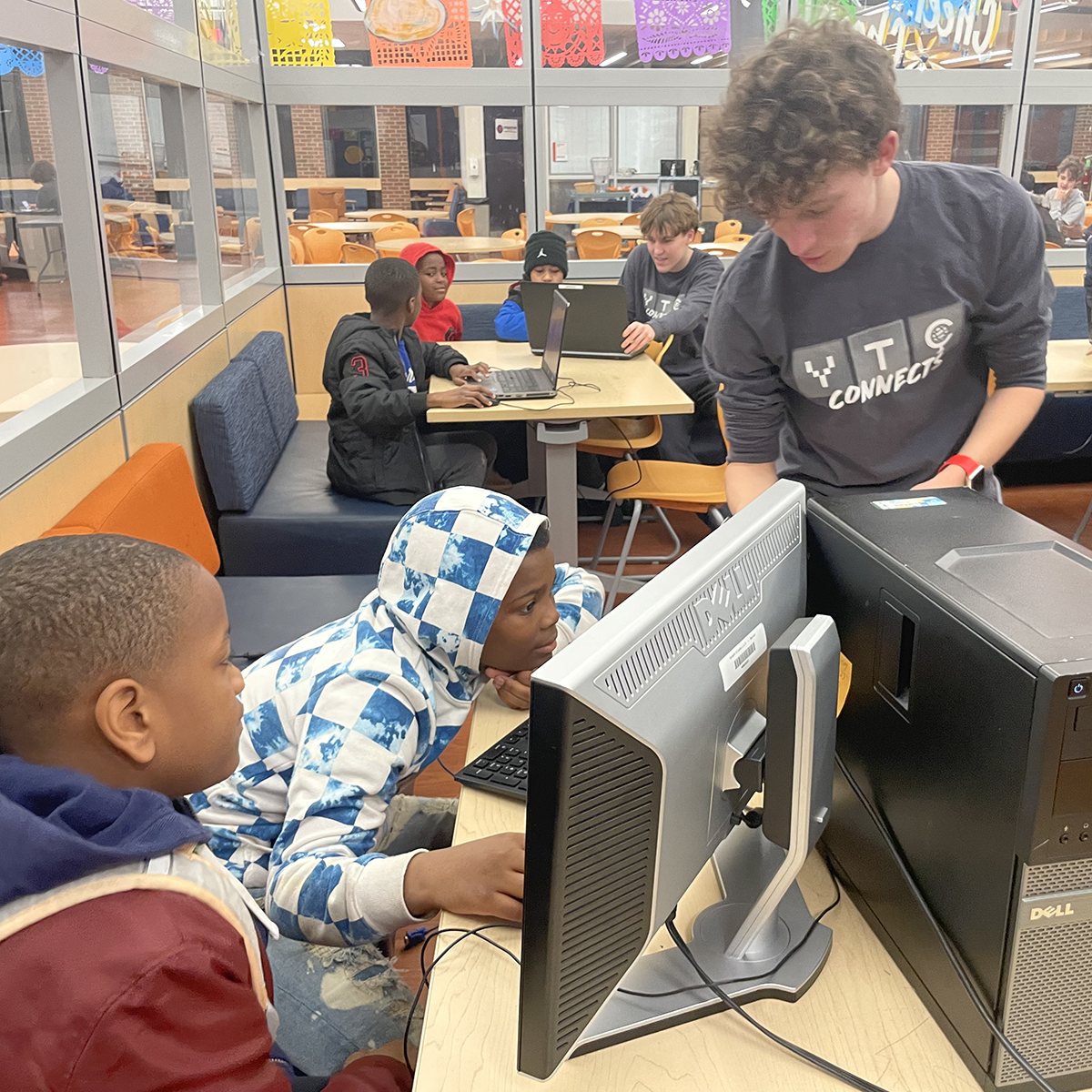
A YTC member teaches younger kids at refurbished computers
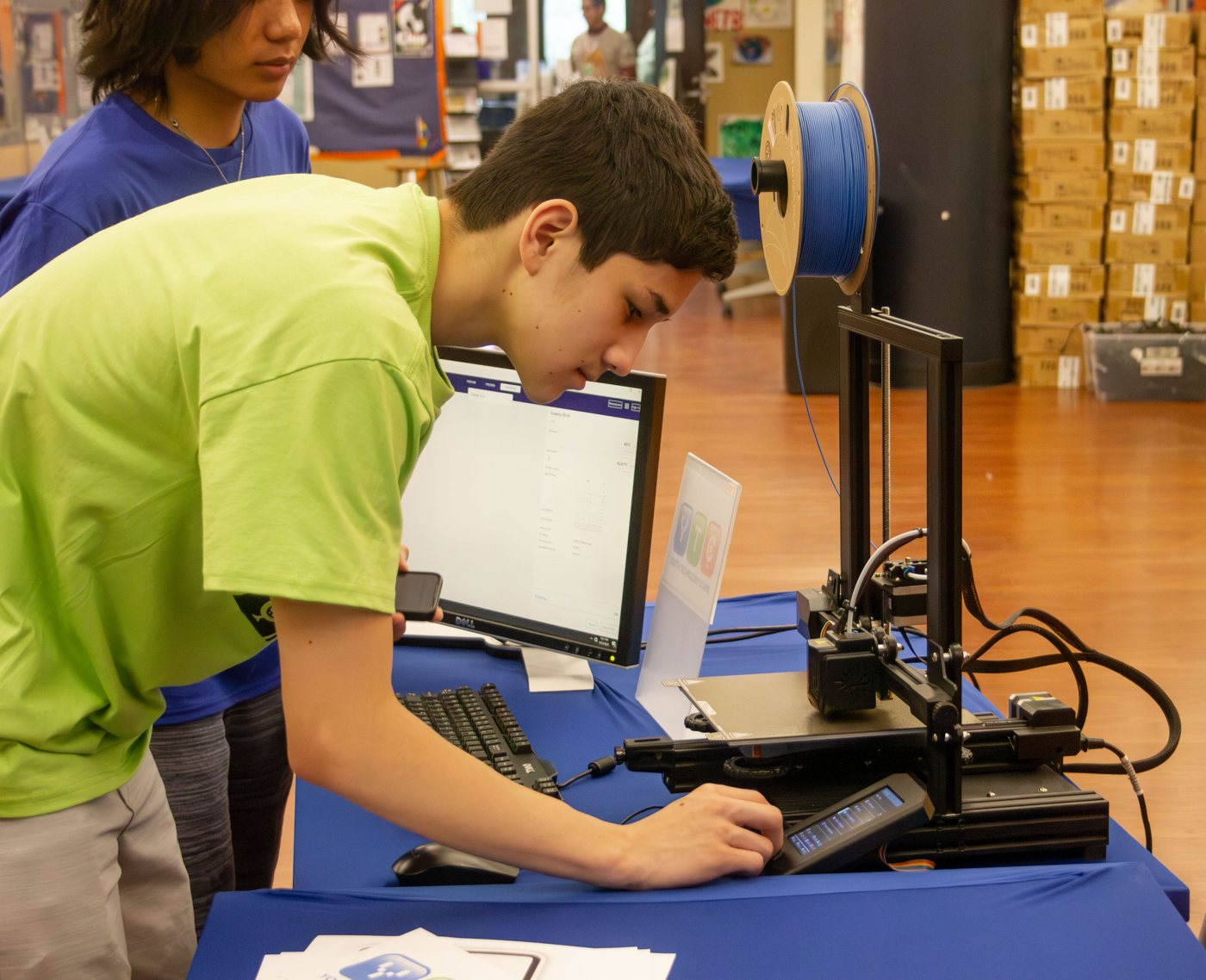
A YTC member runs equipment at the club's demonstration table
Real leadership

Earned, not assigned.

Leadership in YTC is earned through service, reliability, and growth. Students run benches, plan events, hold office, and compete — including Titanium Tech, the refurbishing competition against clubs from Chicago, Cicero, and Mexico. How the path works →

Real perspective

The world gets smaller here.

As students connect with peers in other communities and countries, they begin to understand the world — and their own role in it — in a bigger way. Since 2009, ETHS students have mentored peers in Ethiopia, Namibia, and Mozambique. In July 2025, eight of them flew to Namibia and taught in person. Rooted locally, connected globally →

PHOTO
Global connection — a video-mentoring session with African partner students, or a Namibia 2025 teaching moment.